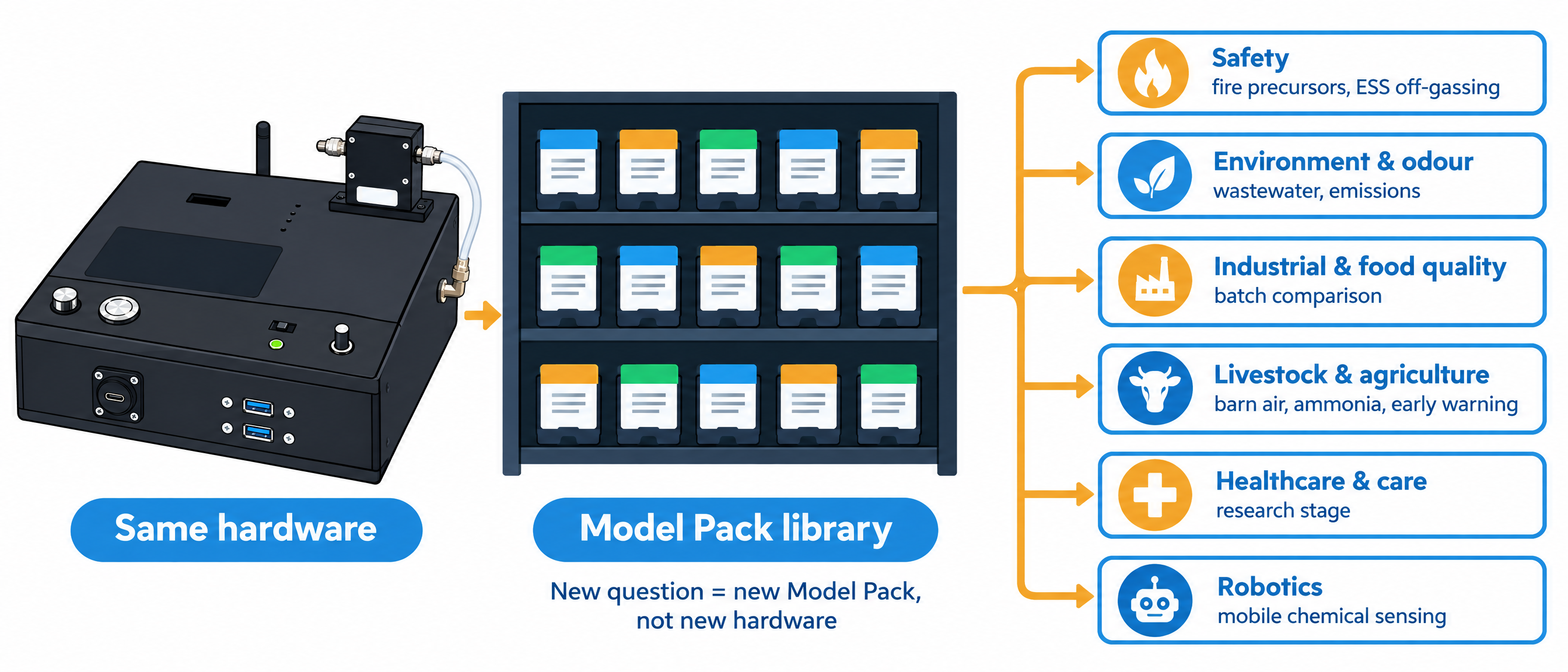
A Model Pack is software — the question the instrument answers at a given site. Entering a new area means collecting data there and training a pack, not redeveloping the machine. Six areas are in the field or in research today, and the hardware cost does not grow with the number of packs.
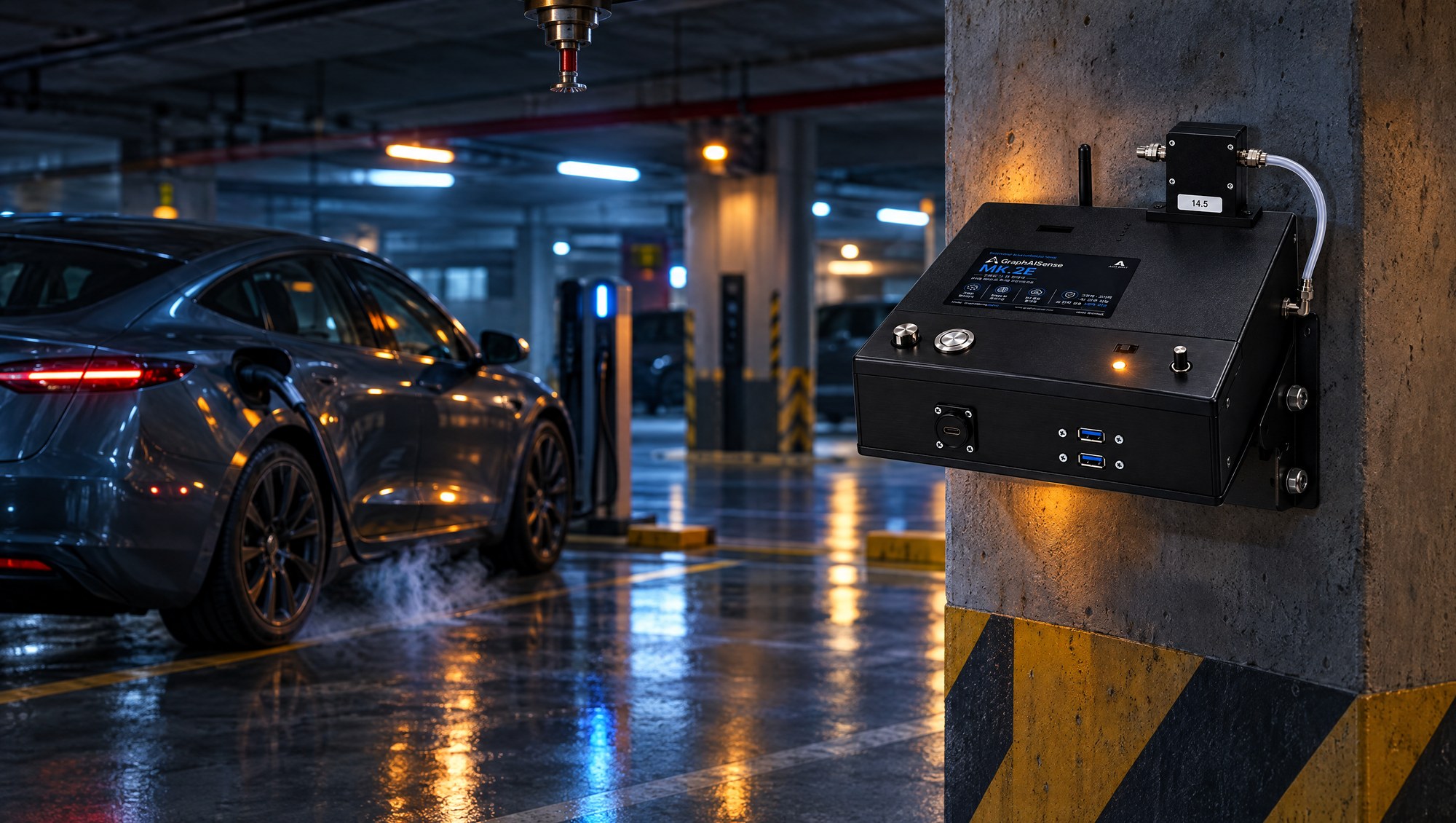
Overheating cable, a battery venting, a smouldering rack — chemistry announces the fault before smoke or heat does. The question is whether the instrument hears it first without crying wolf at solvent vapour.
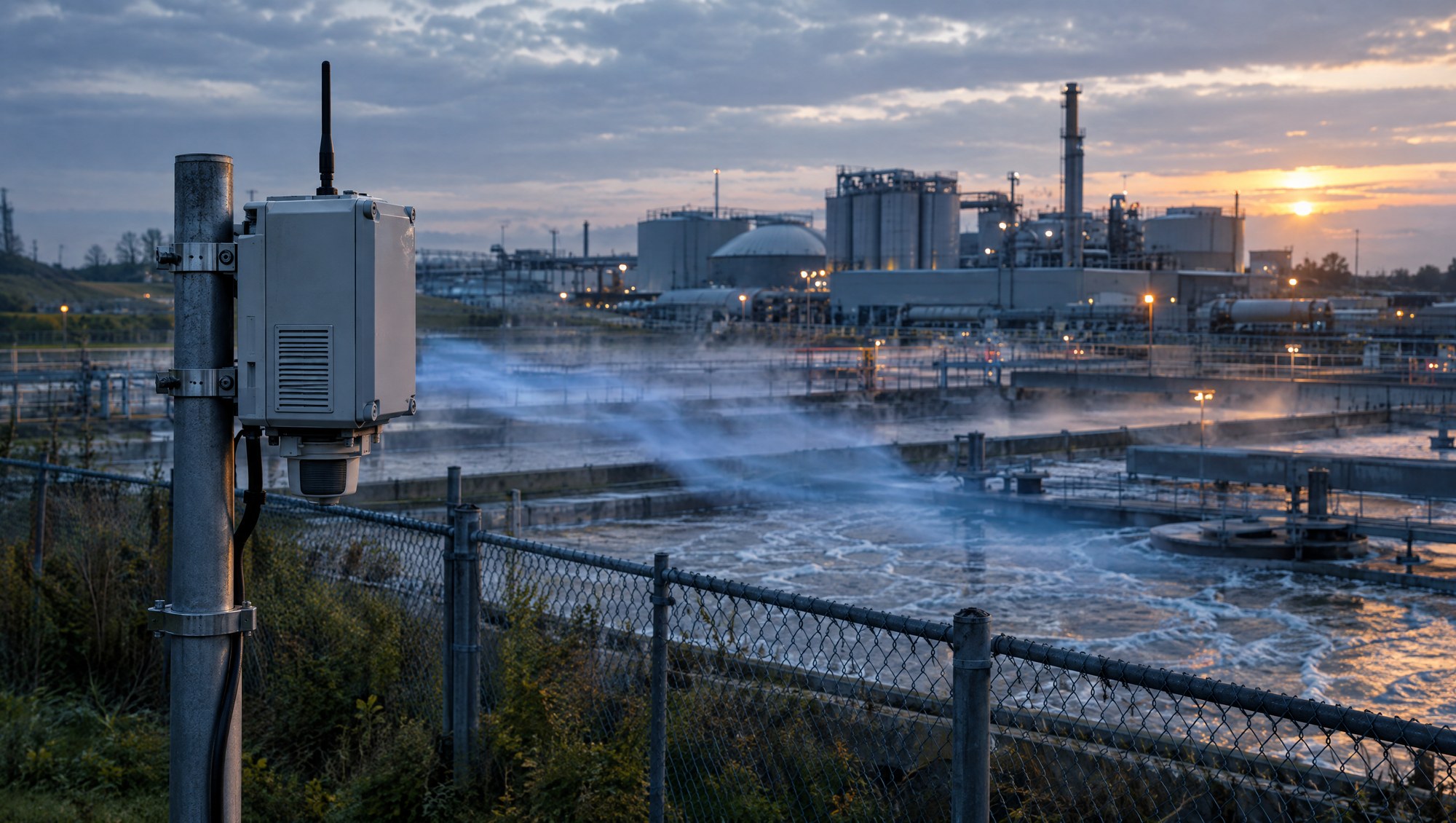
A complaint arrives as a description. Mk.2E turns it into data: which class of odour, from where, and when — continuously, instead of by a panel after the fact.
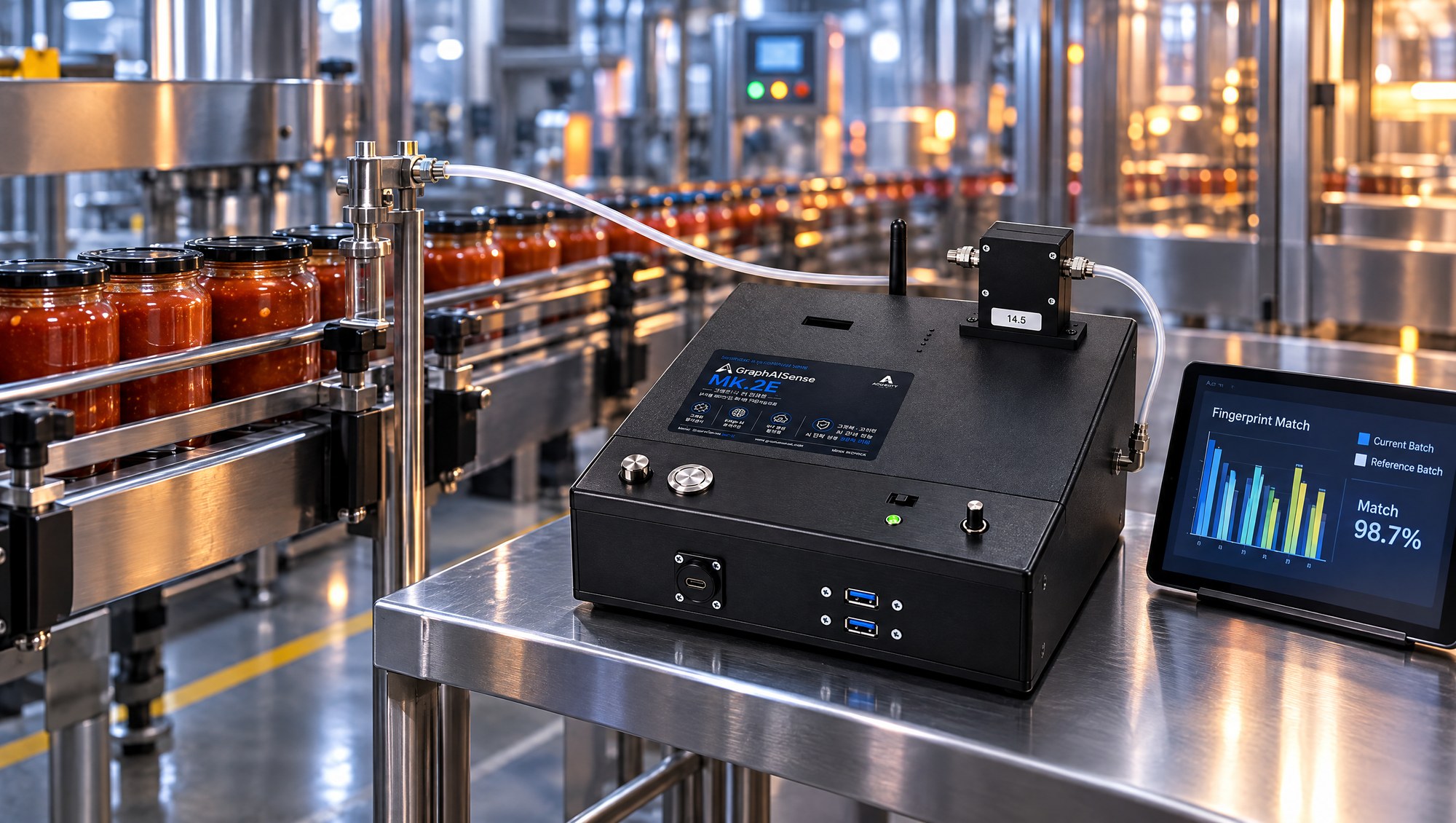
Sensory panels are slow, expensive and vary from person to person. A fingerprint compares today’s batch against a reference, not against someone’s memory of last month.
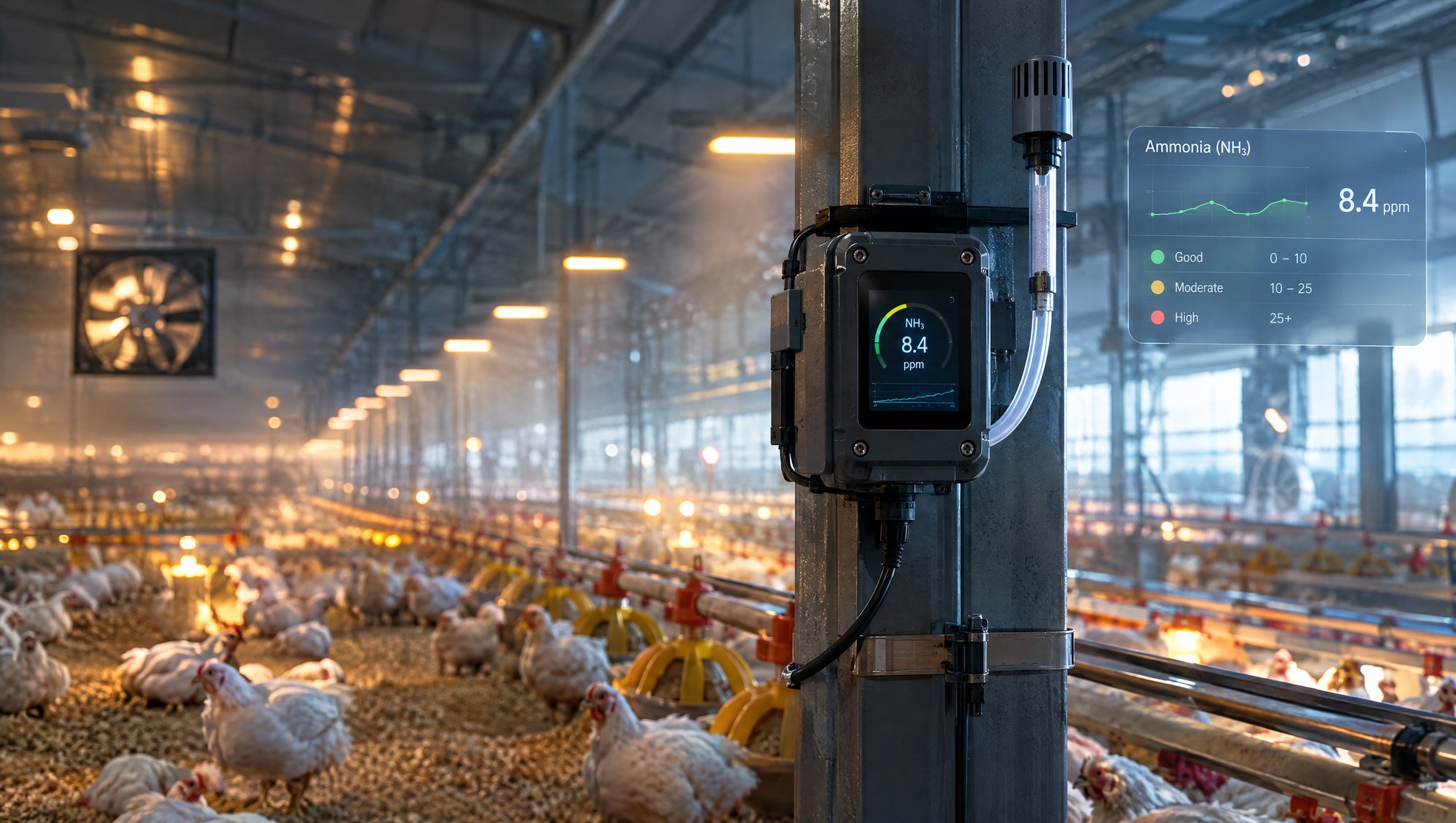
Ammonia and odour load affect animal health, worker safety and the neighbours. The same instrument also watches for fire precursors in housing that is hard to supervise at night.
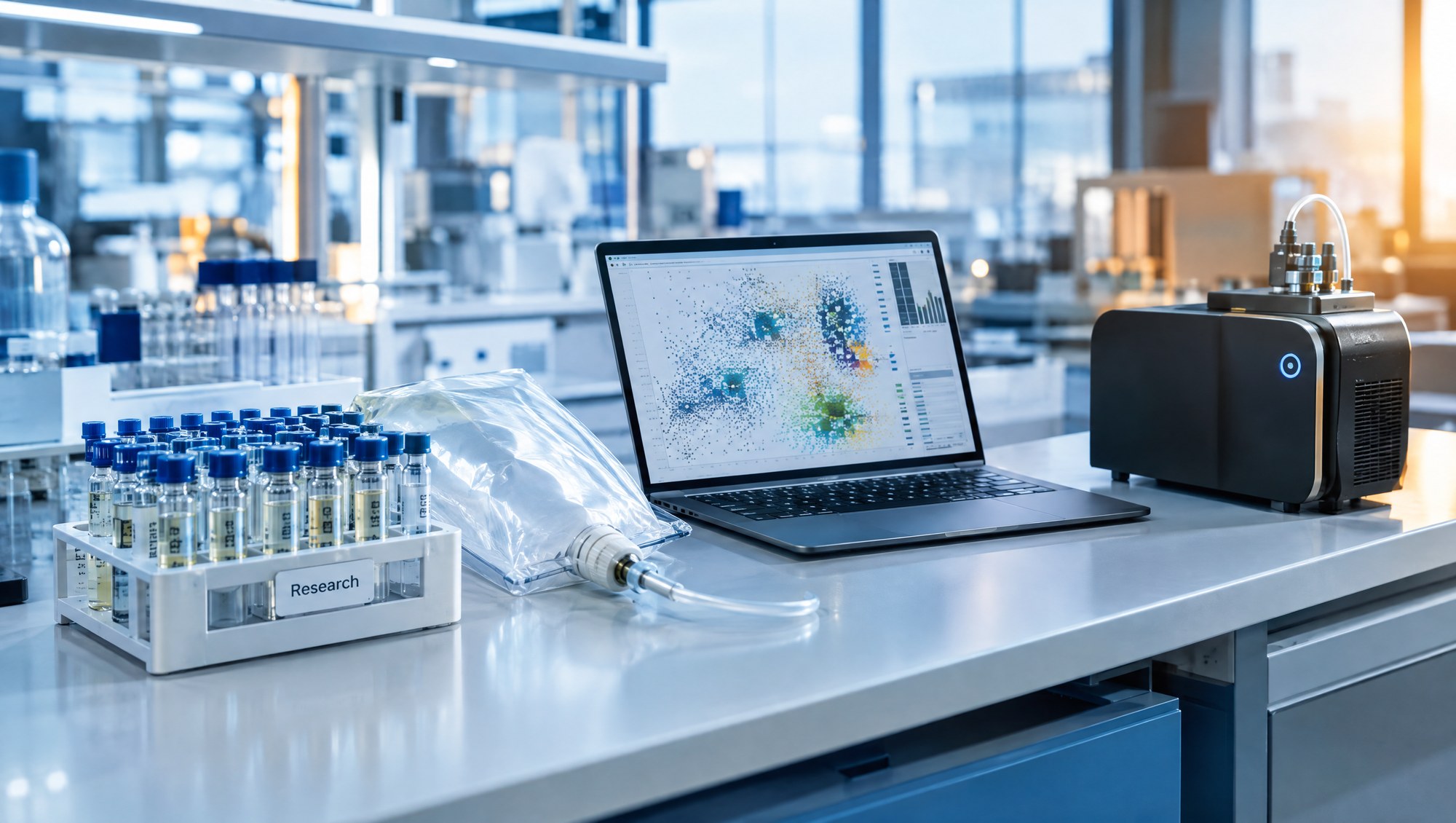
Do scent signatures carry information useful in screening and care settings? We are studying it — carefully, and without claims we cannot back.
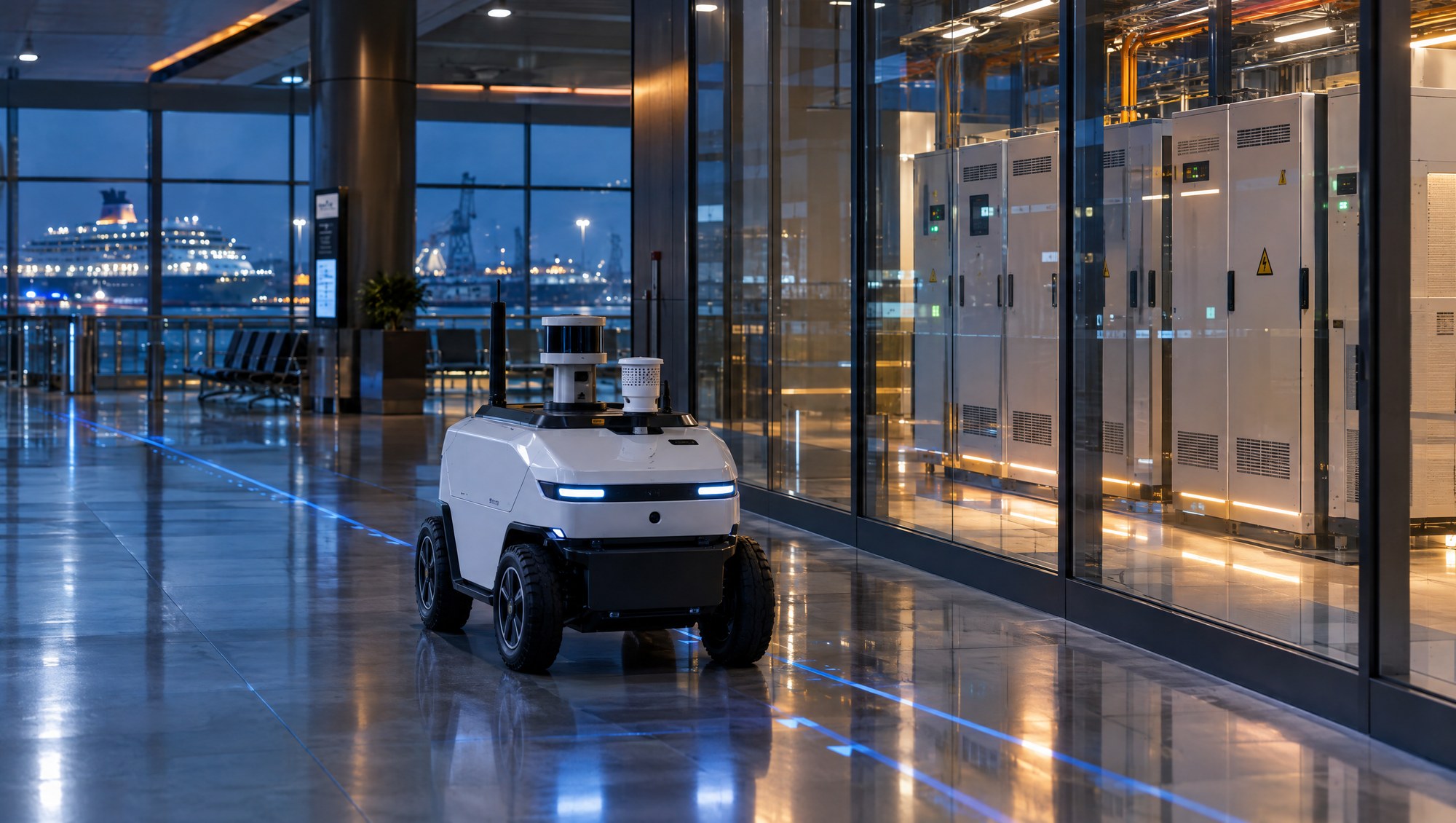
A mobile platform can see and hear, but it cannot tell a leak, a spill or a burning cable apart by chemistry. An e-nose module gives it a chemical sense of place.
A new area means measuring under known conditions, labelling against real events and training a pack. Tell us what you need to detect, what it has to be told apart from, and what decision the answer must support — we would rather start from the chemistry than from a brochure.

We give AI the sense of smell.
GraphAISense is the product brand. ADVENT is the maker.
Headquarters #909, 28 Digital-ro 33-gil, Guro-gu, Seoul
R&D Center #420, 237 Yangji-ro, Sosa-gu, Bucheon-si, Gyeonggi-do
Plant 144-6, 3·1manse-ro 281beon-gil, Jangan-myeon, Hwaseong-si, Gyeonggi-do
ADVENT USA · US sales 8 The Green #22818, Dover, DE 19901, USA
Business registration 522-81-03199 · CEO Choi Chang-hee
Performance figures are ADVENT’s own verification results under the stated conditions; they are not accredited third-party certificates and must not be generalized as overall accuracy.
GraphAISense is a complementary monitoring channel. It does not replace statutory fire protection systems, legally mandated measuring instruments, or a battery management system.
Healthcare and care applications are at research stage. GraphAISense is not a diagnostic product.