The instrument shipping today. A graphene multisensor chip reads the mixture across 30 to 38 channels at once, and the Model Pack that interprets it runs on the instrument itself — so a site becomes a source of olfactory data without sending raw signal anywhere.
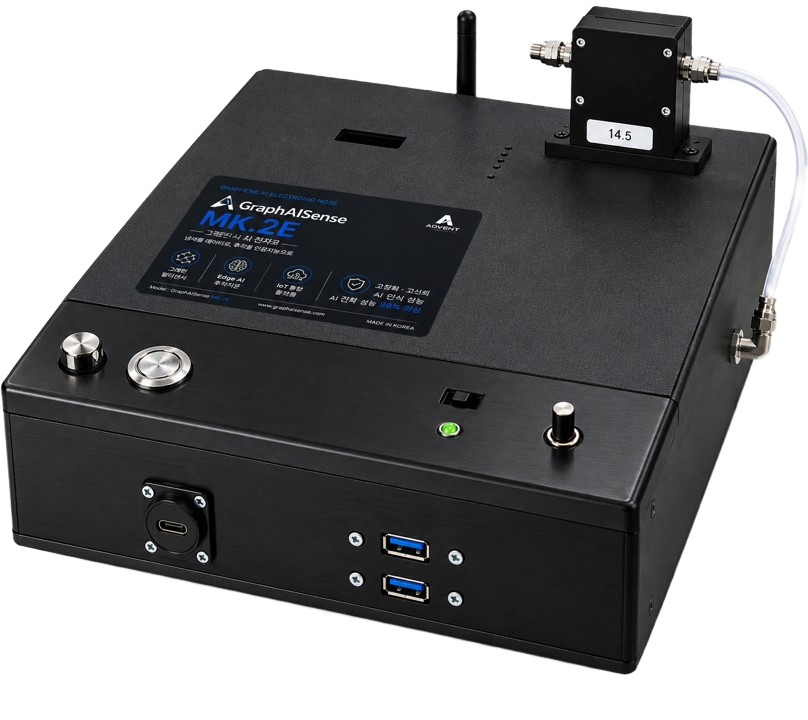
A single gas sensor answers one question: did a value cross a threshold. Mk.2E answers a different one: what is this mixture, and is it the thing you are watching for.
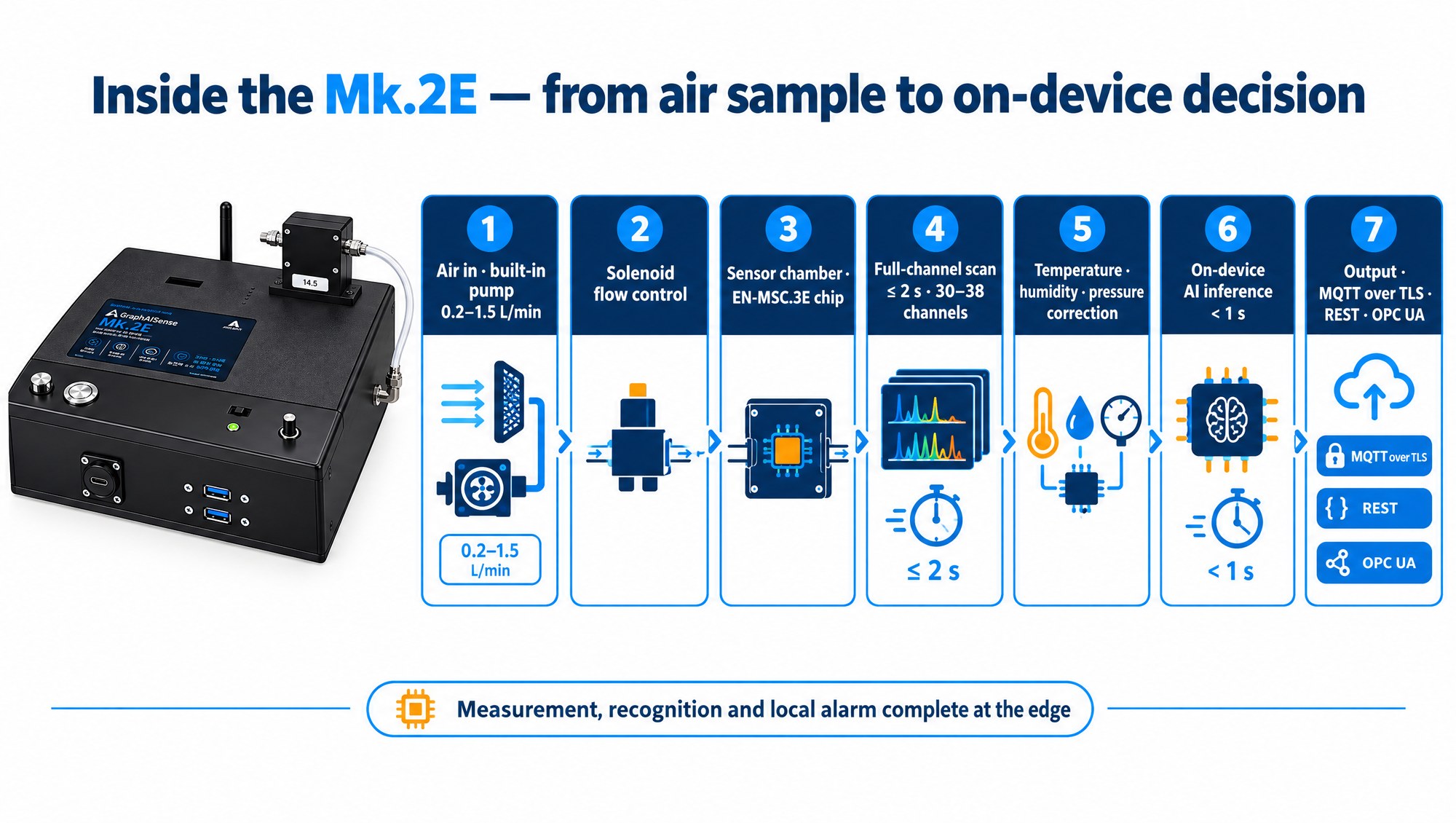
A built-in pump draws air at 0.2–1.5 L/min under solenoid control, and every channel on the chip is scanned in two seconds or less.
The response is corrected for temperature, humidity and pressure, turned into a fingerprint, and matched against the site’s Model Pack in under a second.
The local alarm and the event message are produced on the instrument. If the network drops, sensing continues and events are re-sent when the link returns.
A single threshold that trips a siren becomes the siren everyone learns to ignore. Mk.2E confirms a state only after the same recognition result has held across consecutive windows, and steps back down gradually.
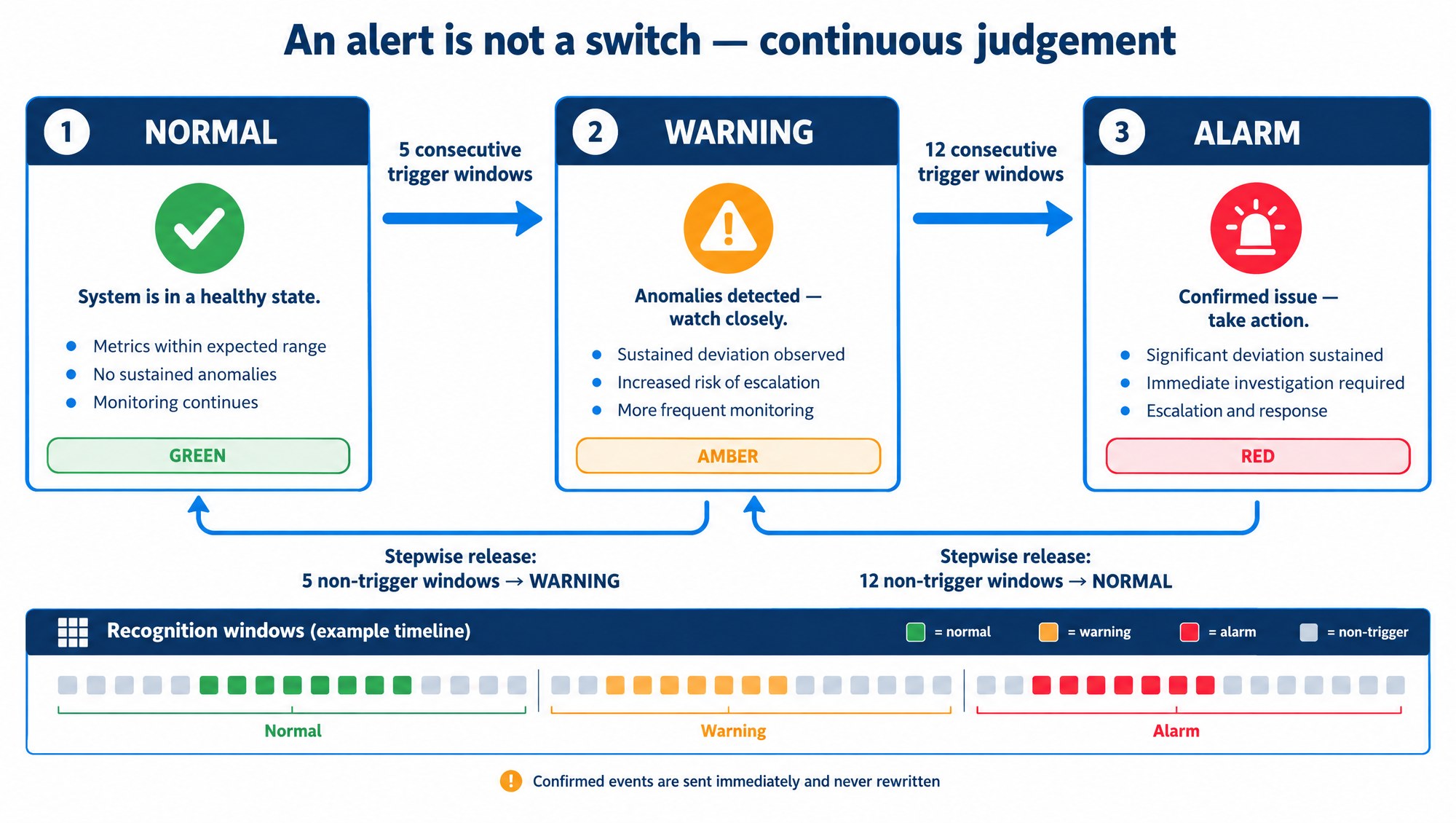
The air matches the ordinary background of the site.
A target class has appeared in five consecutive recognition windows. The operator is notified to check.
The target has held for twelve consecutive windows. The event is sent immediately and linked systems can act.
An ALARM is released step by step — five clear windows to WARNING, twelve to NORMAL. Confirmed results and sent events are never rewritten.
These are the classes Mk.2E is trained on today. A specific target within them is confirmed by collecting data at the site and training for it.
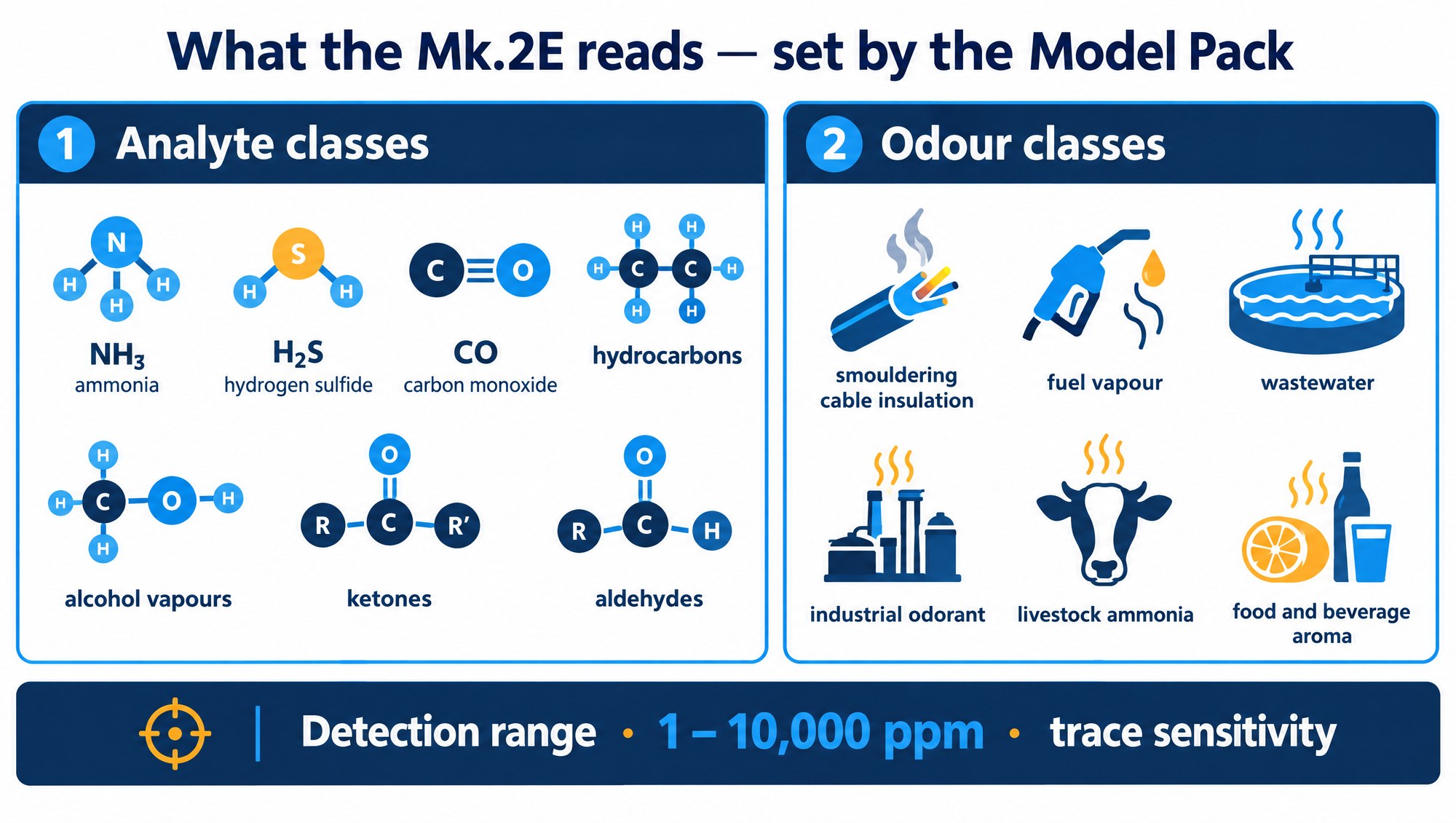
Ammonia (NH₃) · hydrogen sulfide (H₂S) · carbon monoxide (CO) · hydrocarbons · alcohol vapours · ketones · aldehydes
Fire precursors from cable insulation, PCB, paper, plastics, wood and oil · fuel vapour · wastewater and sewage odour · industrial odorants · livestock odour · food and beverage aroma
Each sensing cell on the chip carries a differently functionalised graphene film, so a single mixture produces a different response on every channel. That spread across channels is the fingerprint; a single-element sensor cannot produce one.
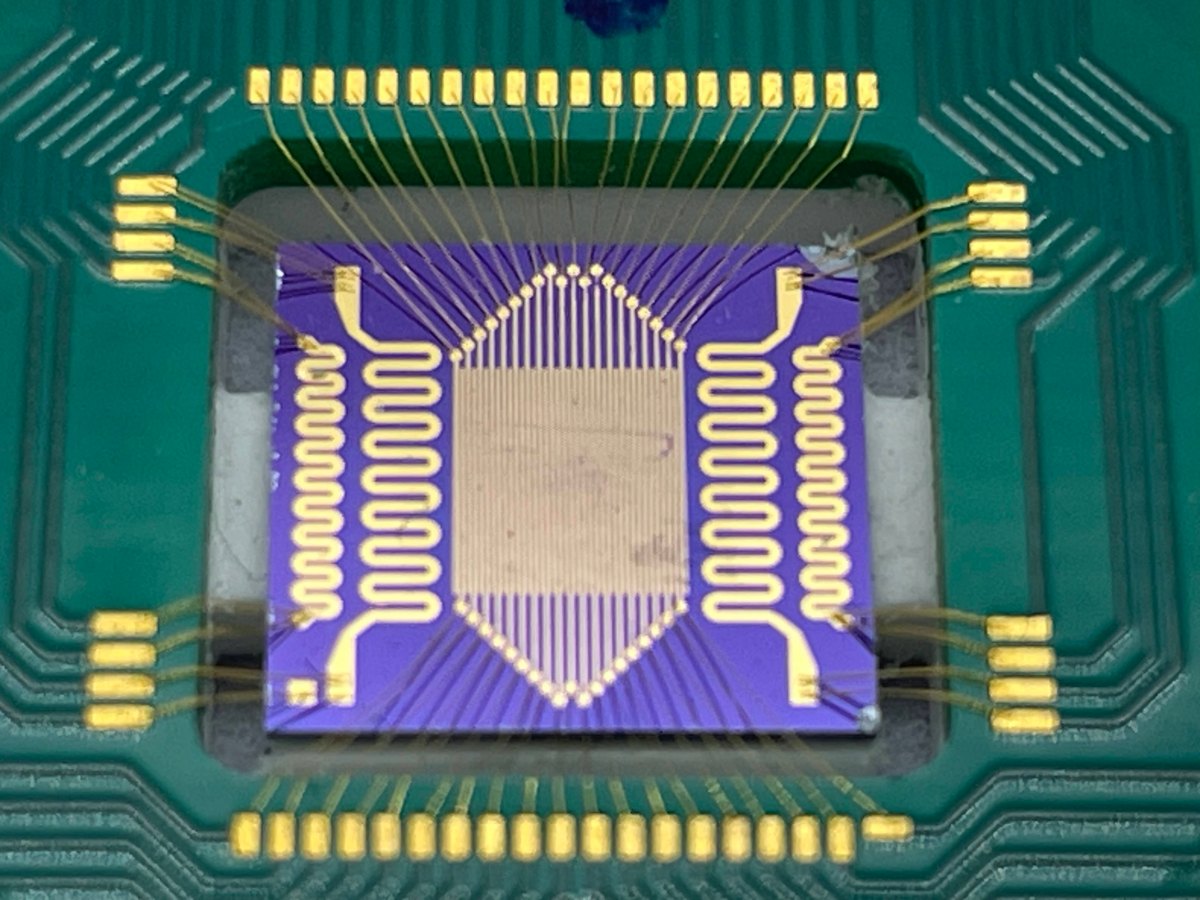
ADVENT makes the sensing material, the chip, the instrument and the model, so the chemistry and the recognition model can be redesigned together when a target changes.
The recognition pipeline — pre-processing, PCA, LDA and SVM — is public. Electrode geometry, circuit specifications, synthesis conditions, trained parameters and feature engineering are shared under NDA.
Mk.2E is the instrument available today and the one every published specification refers to. Mk.3 is in development at prototype stage, and an integrated version carrying four dedicated fire-gas sensors alongside the graphene chip is being built. Specifications are published when they are confirmed, not when they are intended.

We give AI the sense of smell.
GraphAISense is the product brand. ADVENT is the maker.
Headquarters #909, 28 Digital-ro 33-gil, Guro-gu, Seoul
R&D Center #420, 237 Yangji-ro, Sosa-gu, Bucheon-si, Gyeonggi-do
Plant 144-6, 3·1manse-ro 281beon-gil, Jangan-myeon, Hwaseong-si, Gyeonggi-do
ADVENT USA · US sales 8 The Green #22818, Dover, DE 19901, USA
Business registration 522-81-03199 · CEO Choi Chang-hee
Performance figures are ADVENT’s own verification results under the stated conditions; they are not accredited third-party certificates and must not be generalized as overall accuracy.
GraphAISense is a complementary monitoring channel. It does not replace statutory fire protection systems, legally mandated measuring instruments, or a battery management system.
Healthcare and care applications are at research stage. GraphAISense is not a diagnostic product.